

Categories
Home Buyer Best PracticesPublished August 15, 2026
Essential Home-Buying Tips for a Confident Purchase

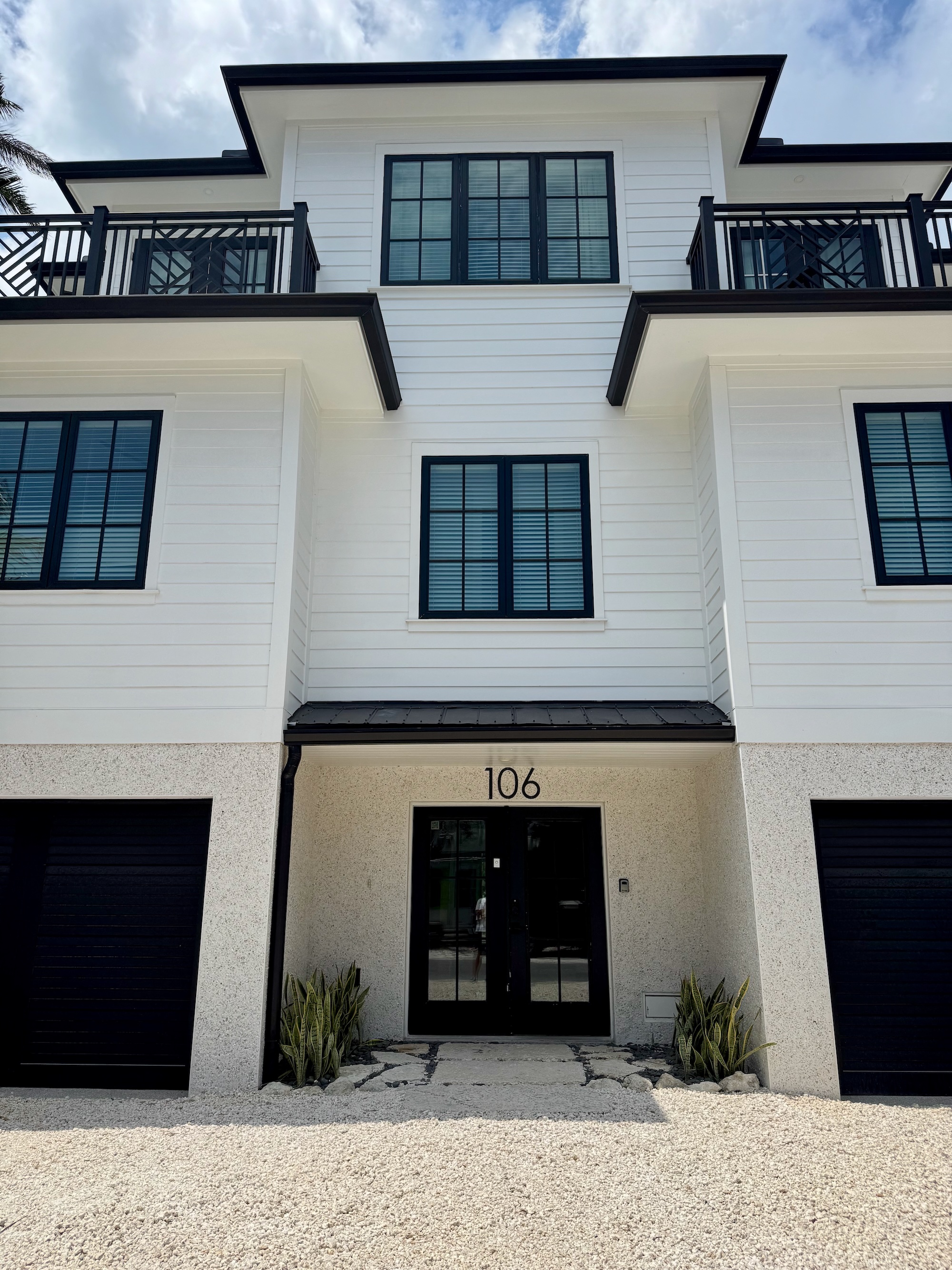
Buying a home is an exciting milestone, but it also involves important financial and practical decisions. Whether you’re purchasing your first home, moving up, downsizing, or relocating, preparation can help you make informed choices and avoid unnecessary stress.
Here are essential home-buyer tips to help guide you through the process.
1. Understand Your Complete Budget
Before touring homes, determine how much you can comfortably afford—not just the maximum amount a lender may approve.
Your monthly housing costs may include:
-
Essential Home-Buying Tips for a Confident Purchase | LUXE Fine Homes Team
Mortgage principal and interest - Property taxes
- Homeowners insurance
- Flood insurance, when applicable
- Homeowners association fees
- Utilities and maintenance
- Private mortgage insurance, if required
It is also important to budget for upfront expenses, including the down payment, closing costs, inspections, appraisal fees, moving expenses, and potential repairs.
A comfortable budget gives you flexibility and helps ensure your new home remains enjoyable long after closing day.
2. Get Pre-Approved for a Mortgage
A mortgage pre-approval provides a clearer understanding of your purchasing power. It also demonstrates to sellers that you are a serious buyer.
Before applying, review your credit profile, income, existing debts, and available funds with a qualified lender. Avoid making major financial changes during the buying process, such as opening new credit accounts, financing a vehicle, or changing jobs without discussing it with your lender.
A pre-approval is an important starting point, but it does not obligate you to borrow the full amount offered.
3. Identify Your Priorities
Create a list of features that matter most to you. Consider dividing your list into three categories:
Must-haves: Features you truly need, such as a specific number of bedrooms, accessibility requirements, or a certain location.
Preferences: Features you would like to have but could live without.
Deal-breakers: Conditions that would make a home unsuitable for your needs.
Think beyond the home itself. Evaluate commute times, nearby amenities, schools, outdoor spaces, medical services, and the overall character of the neighborhood.
4. Research the Location Carefully
A home’s location can significantly affect your lifestyle and future resale potential. Visit the area at different times of day and, if possible, on both weekdays and weekends.
Pay attention to:
- Traffic and noise levels
- Nearby construction or development
- Flood zones and drainage
- Access to shopping and services
- Community amenities
- Property taxes and association rules
- Insurance availability and costs
In Florida, insurance considerations and flood exposure can be especially important. Ask questions early so you can evaluate the total cost of ownership accurately.
5. Work With an Experienced Real Estate Professional
A knowledgeable real estate agent can help you identify suitable properties, understand market conditions, prepare offers, coordinate negotiations, and navigate the contract-to-close process.
Your agent should be a resource throughout the transaction—not simply someone who opens doors. Choose a professional who communicates clearly, understands the local market, and takes the time to understand your goals.
6. Look Beyond the Décor
Staging and cosmetic updates can make a home appealing, but try to focus on the property’s underlying condition. During showings, look at the age and condition of the roof, HVAC system, plumbing, electrical components, windows, and appliances.
Also consider the layout, natural light, storage, lot characteristics, and potential future maintenance needs. Paint colors and fixtures are usually easier to change than major structural or mechanical systems.
7. Always Schedule a Professional Inspection
A home inspection can reveal issues that are not obvious during a showing. Depending on the property, you may also want to consider additional inspections, such as:
- Pest or termite inspection
- Roof inspection
- Mold assessment
- HVAC evaluation
- Pool inspection
- Sewer or septic inspection
- Structural or foundation review
An inspection does not eliminate every risk, but it can provide valuable information and may help you make informed decisions about repairs, negotiations, or moving forward.
8. Avoid Making an Emotional Offer
It is natural to become attached to a home, especially in a competitive market. However, your offer should be based on market data, your budget, the property’s condition, and your long-term goals.
Your real estate professional can help you evaluate comparable sales, current competition, days on market, and the seller’s circumstances. A strong offer is not always the highest offer—it is the one that reflects both your financial position and the property’s value.
9. Keep Your Contingencies and Deadlines in Mind
Purchase contracts contain important deadlines and conditions. These may include financing, inspections, appraisal, title review, insurance, and closing requirements.
Understand what each contingency protects, when it expires, and what actions you must take. Missing a deadline can affect your rights under the contract, so maintain regular communication with your agent, lender, attorney, and other professionals involved in the transaction.
10. Plan for the First Year of Homeownership
Even a well-maintained home will require ongoing care. Set aside funds for routine maintenance and unexpected repairs. You may also want to create a homeownership calendar for tasks such as changing air filters, servicing HVAC equipment, cleaning gutters, checking smoke detectors, and reviewing insurance coverage.
Planning ahead can help protect your investment and reduce surprises.
11. Think About Your Future Needs
Consider how long you expect to live in the home and whether it can accommodate potential changes. Your needs may evolve because of career changes, family growth, aging, remote work, or lifestyle preferences.
A home does not need to meet every possible future need, but choosing a property with flexibility can make it more comfortable and marketable over time.
12. Ask Questions Throughout the Process
There are no unnecessary questions when you are making one of the largest purchases of your life. Ask about the property, neighborhood, contract, financing, insurance, inspections, closing costs, and anything else that affects your decision.
The right professionals will welcome your questions and provide clear explanations.
Final Thoughts
A successful home purchase begins with preparation. By understanding your budget, researching the location, evaluating the property carefully, and working with experienced professionals, you can approach the process with greater confidence.
At LUXE Fine Homes Team, we help buyers make informed decisions from the initial search through closing and beyond. For personalized guidance in Florida or New York, contact Andrew Scherer at 941-203-1771 or andrewscherer@kw.com.
Essential Home-Buying Tips for a Confident Purchase

Andrew Scherer
Owner | Andrew Scherer | LUXE® Fine Homes Team | Keller Williams on the Water Sarasota
or another way